Breaking Down Common Telemedicine Myths: What Patients Need to Know
TA
Understanding Telemedicine
Telemedicine has become an integral part of healthcare, offering convenience and accessibility. Despite its growing popularity, several myths persist that can deter patients from fully embracing this technology. By breaking down these misconceptions, we can better understand how telemedicine can fit into our healthcare routine.

Myth 1: Telemedicine Is Impersonal
One common myth is that telemedicine lacks the personal touch of in-person visits. In reality, telemedicine allows healthcare providers to spend more dedicated time with patients, as it eliminates the need for travel and waiting times. Many patients find that virtual appointments foster a more focused and direct interaction with their doctors.
Moreover, telemedicine platforms often include features like video calls and secure messaging, which can enhance communication and build a strong patient-provider relationship. Personal connection is not only possible but can be improved through these digital tools.
Myth 2: Telemedicine Is Less Effective
Another concern is that telemedicine may not be as effective as traditional visits. However, numerous studies have shown that telemedicine can effectively diagnose and manage a wide range of conditions. For follow-up appointments, chronic disease management, and mental health services, telemedicine often provides a level of care equivalent to in-person visits.

It is crucial to remember that telemedicine is not meant to replace all in-person care. Instead, it complements it by providing a convenient option for routine consultations and follow-ups.
Myth 3: Telemedicine Is Not Secure
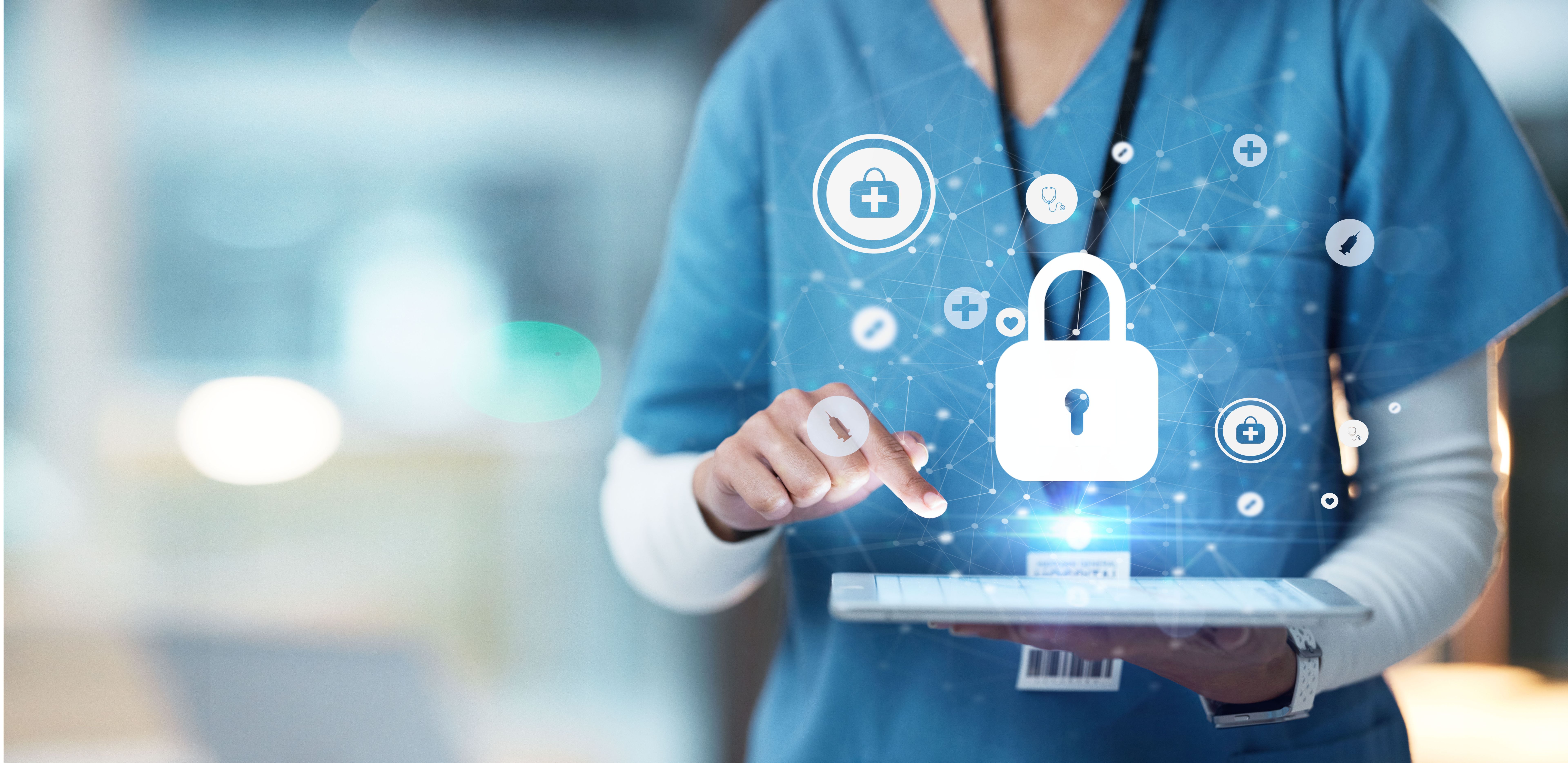
Some patients worry about the security of their personal information when using telemedicine services. It's important to note that reputable telemedicine platforms comply with strict regulations and employ advanced encryption technologies to protect patient data. This ensures that your healthcare information is kept confidential and secure.
Always choose a trusted provider that adheres to privacy standards like HIPAA in the United States. This will give you peace of mind that your information is safe.
Myth 4: Telemedicine Is Only for Tech-Savvy Patients
There's a misconception that telemedicine is only suitable for those who are comfortable with technology. In fact, most telemedicine platforms are designed to be user-friendly and accessible to people of all ages. Providers often offer support and guidance to help patients navigate the system.
Even if you're not tech-savvy, you can still benefit from telemedicine by reaching out to your provider for assistance. Many platforms offer tutorials and customer support to help you get started.
The Future of Telemedicine
As technology continues to advance, telemedicine will likely become an even more integral part of healthcare. By understanding and debunking these myths, patients can make informed decisions about their healthcare options. Embracing telemedicine can lead to more accessible, efficient, and personalized care for everyone.
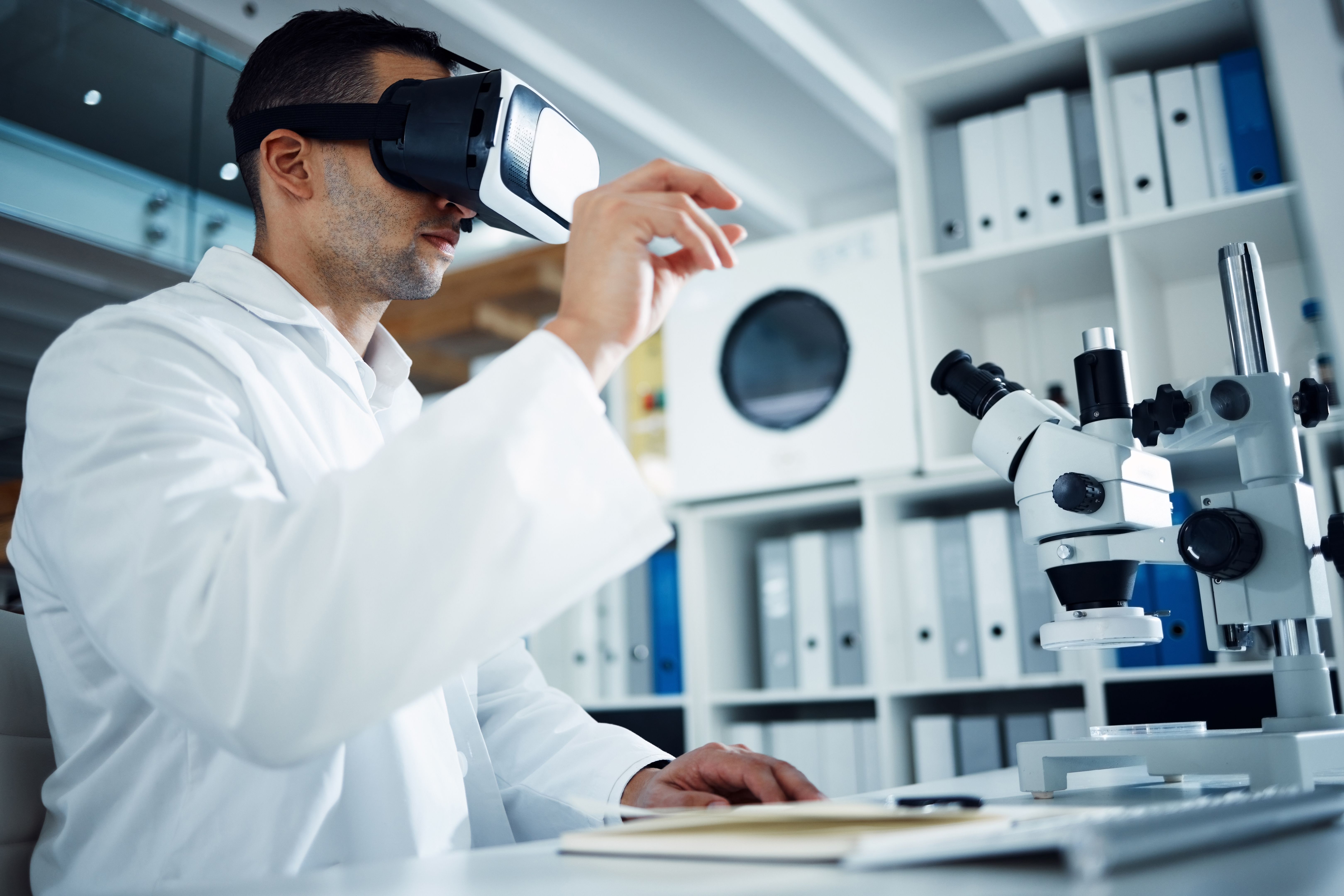
Telemedicine offers a promising future, where healthcare is more convenient and patient-centered. By staying informed and open-minded, patients can fully harness the benefits of this innovative approach to healthcare.