Navigating Wound Care Services: How Telemedicine Enhances Recovery
TA
In recent years, telemedicine has revolutionized various aspects of healthcare, including wound care services. This innovative approach offers patients and healthcare providers a convenient and efficient way to manage wound care, enhancing the recovery process significantly.
Understanding Telemedicine in Wound Care
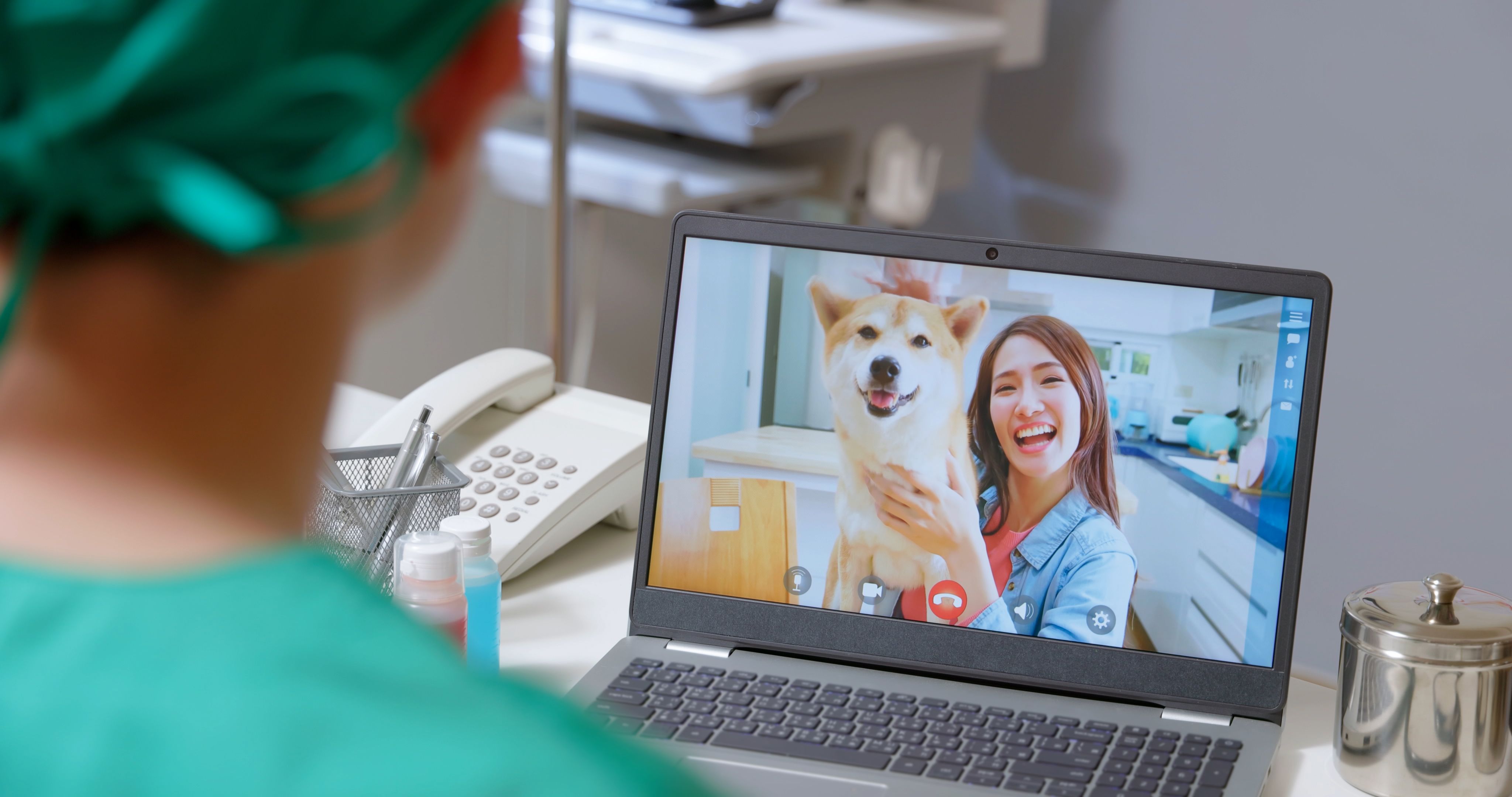
Telemedicine utilizes digital communication tools to facilitate remote healthcare services. For wound care, this means patients can receive expert consultations, assessments, and follow-ups without the need for frequent in-person visits. This is particularly beneficial for those with limited mobility or residing in remote areas.
By leveraging technology, healthcare providers can monitor wound healing progress, offer advice, and adjust treatment plans in real-time. This immediacy can lead to faster recovery times and better health outcomes.
Benefits of Telemedicine for Wound Care
Convenience and Accessibility
One of the most significant benefits of telemedicine is the convenience it provides. Patients can schedule appointments at times that suit them best and avoid the hassle of travel. This is especially valuable for individuals with chronic wounds requiring ongoing care.
Enhanced Monitoring and Feedback
Through telemedicine, healthcare providers can closely monitor a patient's wound healing process. Digital tools allow for the sharing of images and videos, enabling detailed assessments and timely feedback. This continuous monitoring helps in identifying potential complications early.

Implementing Telemedicine in Wound Care Services
Technology and Training
Successful implementation of telemedicine in wound care requires the use of reliable technology and adequate training for both providers and patients. Ensuring a smooth experience involves user-friendly platforms and clear communication channels.
Collaborative Care
Telemedicine fosters a collaborative approach to wound care, where multidisciplinary teams can work together seamlessly. Specialists, nurses, and primary care providers can coordinate treatment plans effectively, enhancing patient outcomes.

Challenges and Considerations
While telemedicine offers numerous advantages, there are challenges to consider. Ensuring patient data privacy and securing digital communications is paramount. Additionally, not all patients may have access to the necessary technology or internet connectivity.
Overcoming these barriers involves investing in technology, training, and infrastructure, as well as designing inclusive strategies that cater to diverse patient needs.
The Future of Telemedicine in Wound Care
The integration of telemedicine in wound care is set to expand as technology continues to advance. Innovations like AI-driven analysis and virtual reality could further enhance diagnostic accuracy and patient engagement.
As healthcare systems adapt, telemedicine will likely become an integral component of wound care services, offering more personalized and effective treatment solutions.