The Future of Remote Healthcare Solutions: What Patients Need to Know
TA
Understanding Remote Healthcare
Remote healthcare, often referred to as telehealth, has transformed the way patients access medical services. With advancements in technology, patients can now consult with healthcare providers from the comfort of their homes. This shift not only offers convenience but also plays a crucial role in reaching underserved populations.
The rise of remote healthcare solutions has been fueled by the need for more accessible and efficient medical care. As technology continues to evolve, these solutions are becoming increasingly sophisticated, offering a range of services from virtual consultations to remote monitoring.
The Role of Technology in Telehealth
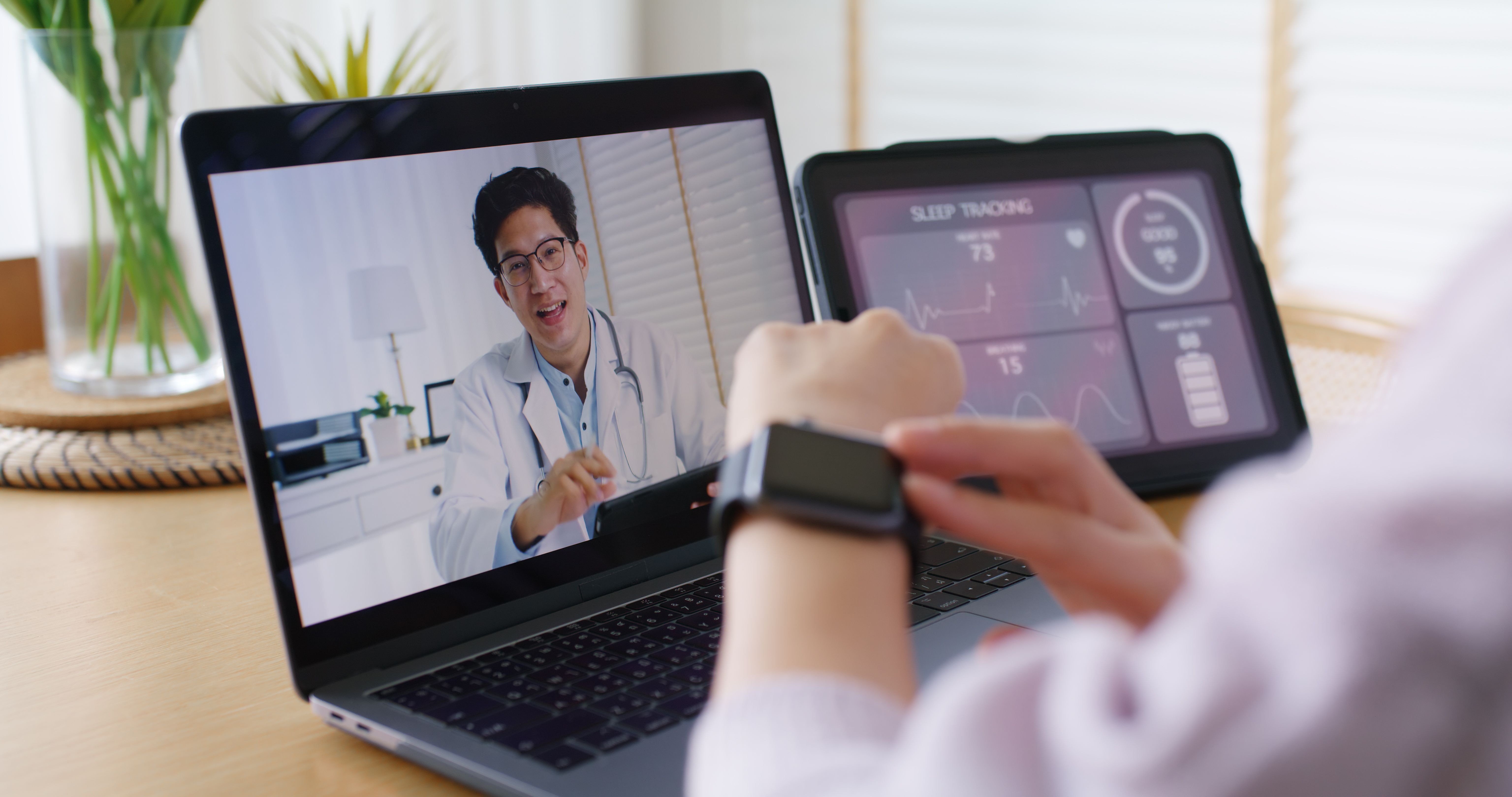
Technology is the backbone of remote healthcare. Innovations such as high-speed internet, smartphones, and wearable devices have made it possible for patients to connect with healthcare professionals in real-time. This connectivity allows for timely diagnoses and personalized care plans.
Wearable devices, in particular, play a significant role in remote healthcare. They can track vital signs such as heart rate, blood pressure, and glucose levels, providing valuable data to healthcare providers without the need for in-person visits.
Telehealth Platforms
Various telehealth platforms have emerged, offering a wide range of services. These platforms enable video consultations, digital prescriptions, and even virtual therapy sessions. Patients can access these services through dedicated apps or web portals, making healthcare more accessible than ever before.

Benefits for Patients
One of the most significant advantages of remote healthcare is the convenience it offers. Patients no longer need to travel long distances or take time off work to see a doctor. Instead, they can schedule appointments at their convenience, reducing the hassle associated with traditional healthcare visits.
Remote healthcare also reduces the risk of exposure to infectious diseases, a critical consideration in the wake of global health crises. For individuals with mobility issues or chronic conditions, telehealth provides a lifeline to continuous care.
Improved Access to Specialists
Remote healthcare solutions have also made it easier for patients to access specialists who may not be available locally. Through telehealth, patients can consult with experts from around the world, ensuring they receive the best possible care.

Challenges and Considerations
Despite the many advantages, remote healthcare is not without its challenges. Ensuring data privacy and security is paramount, as sensitive medical information is transmitted over digital networks. Patients and providers must be aware of the potential risks and take necessary precautions.
Another challenge is the digital divide. Not all patients have access to the necessary technology or internet connectivity required for telehealth services. Addressing this gap is crucial to ensure equitable access to healthcare solutions.
The Future of Remote Healthcare
The future of remote healthcare looks promising, with continuous innovations on the horizon. Artificial intelligence and machine learning are expected to play a more significant role, enhancing diagnostic accuracy and personalizing treatment plans. As these technologies mature, patients can expect even more comprehensive and efficient care.
In conclusion, remote healthcare solutions are reshaping the landscape of medical care. By embracing these technologies, patients can enjoy a more accessible, convenient, and personalized healthcare experience.